FERTILIZERS
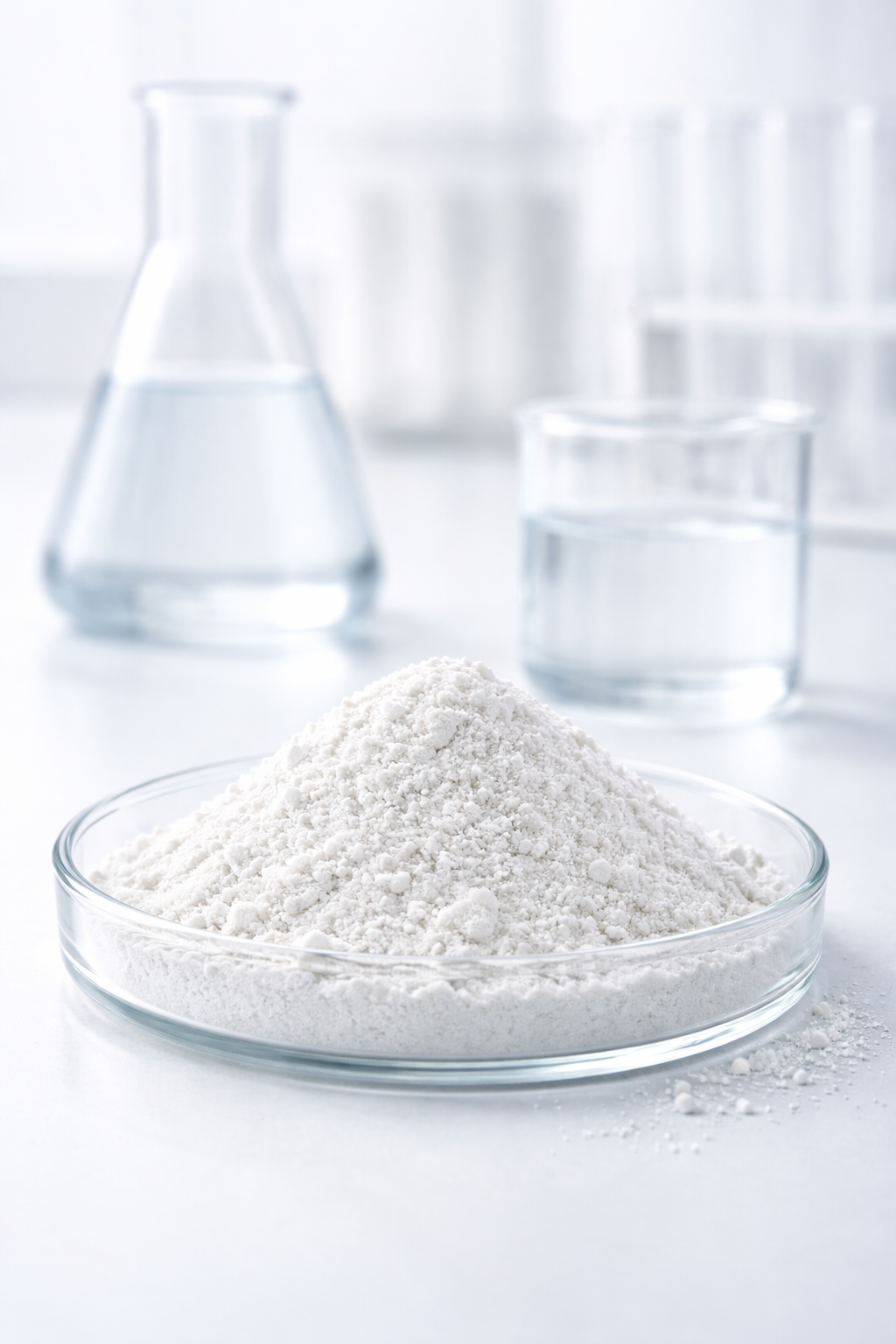
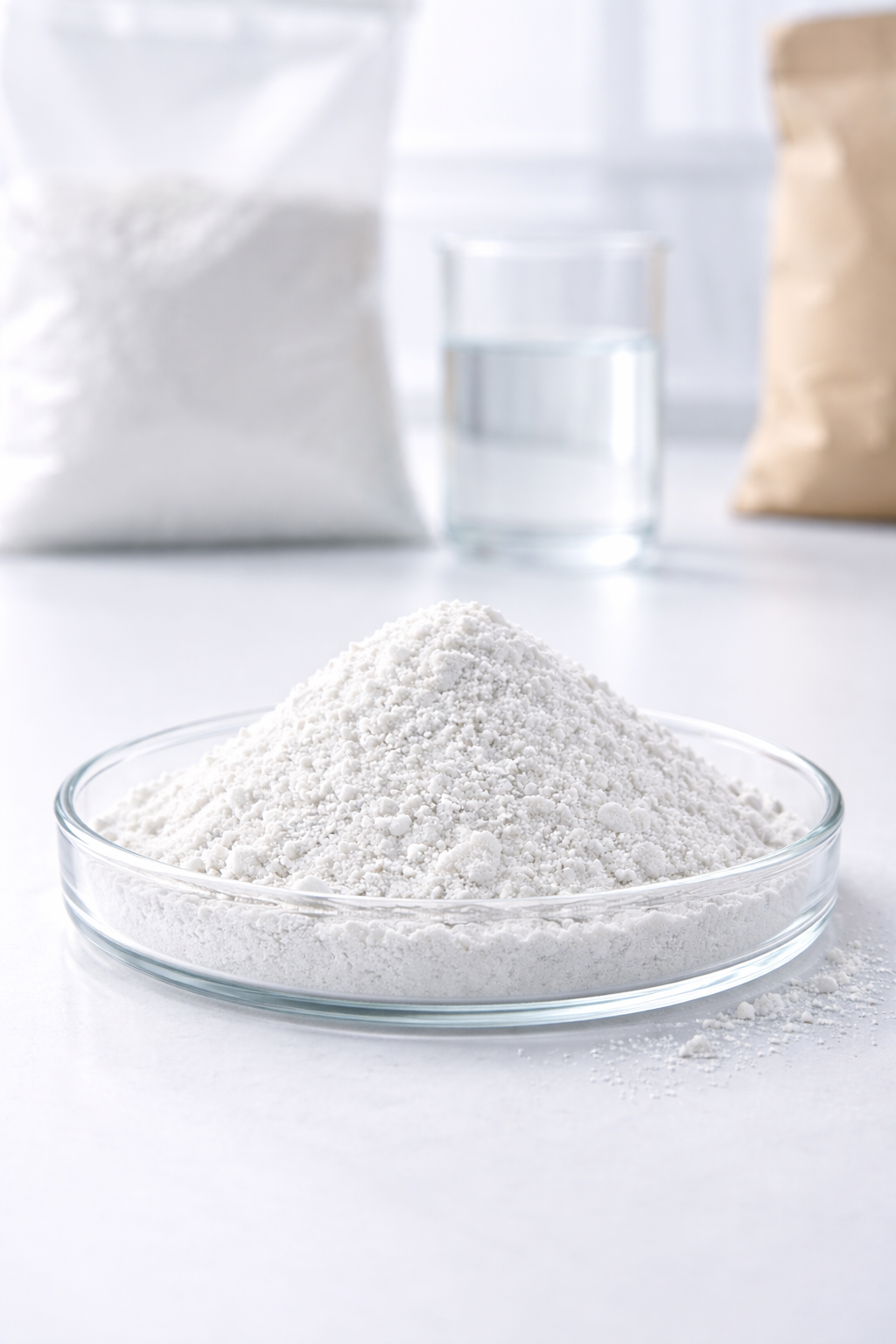
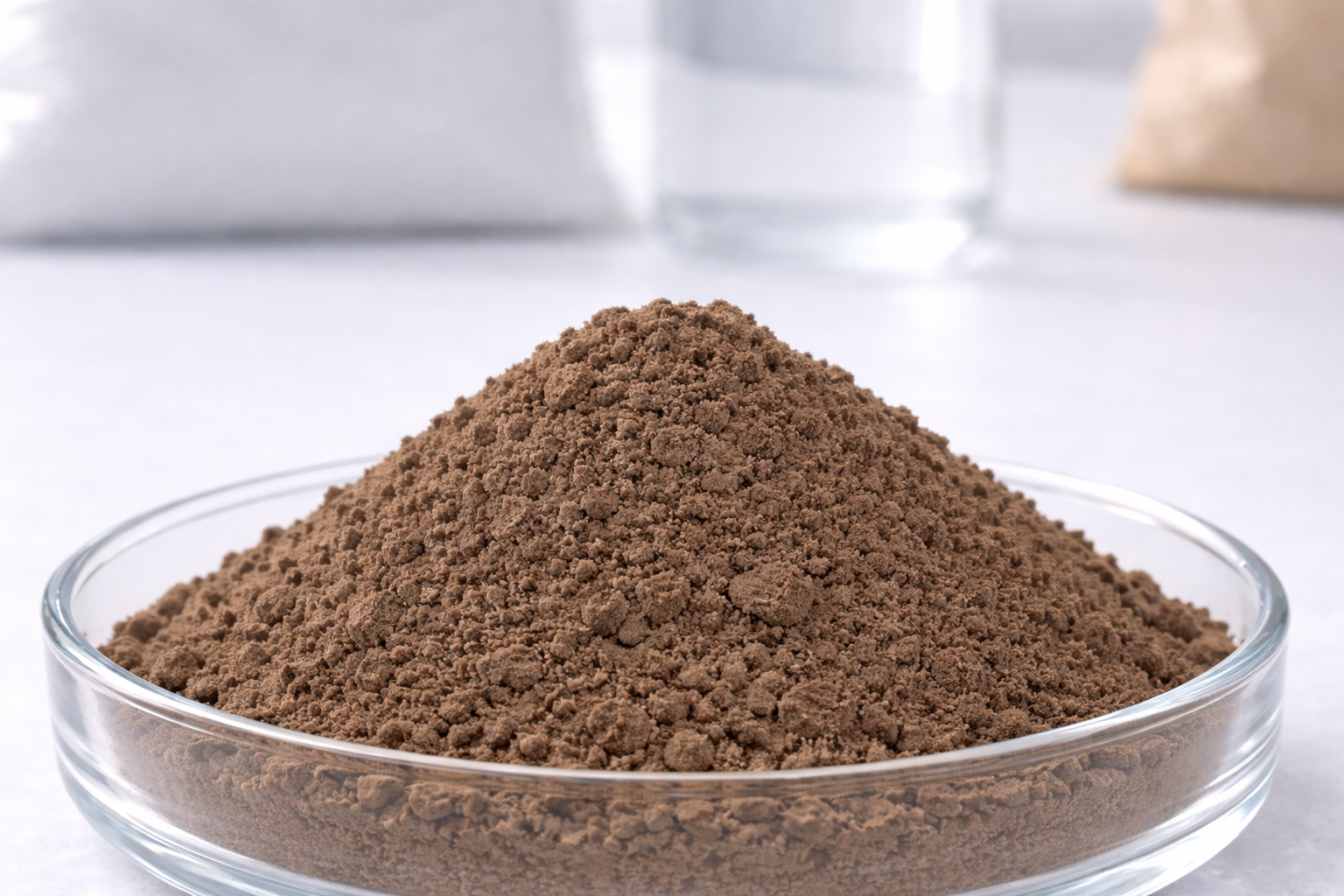
Zinc oxide is used as a micronutrient source in fertilizer formulations to correct and prevent zinc deficiencies in crops. It supports healthy plant development and improved crop productivity in zinc-deficient soils. Controlled zinc concentration, low impurity levels and suitable particle characteristics ensure reliable micronutrient delivery and consistent blending performance in fertilizer systems.
Key Requirements
Controlled Zinc Content
Zinc oxide used in fertilizers requires defined zinc concentration (e.g. 72%, 75% or 80% Zn) to ensure accurate nutrient dosing and predictable agronomic performance.
Reliable Micronutrient Availability
The material must provide stable micronutrient availability for plant uptake, supporting effective correction of zinc deficiencies in soils and improved crop nutrition.
Controlled Impurity Profile
Low and controlled trace metal levels ensure safe agricultural use and compliance with fertilizer regulations in international markets.
Good Blending & Handling Performance
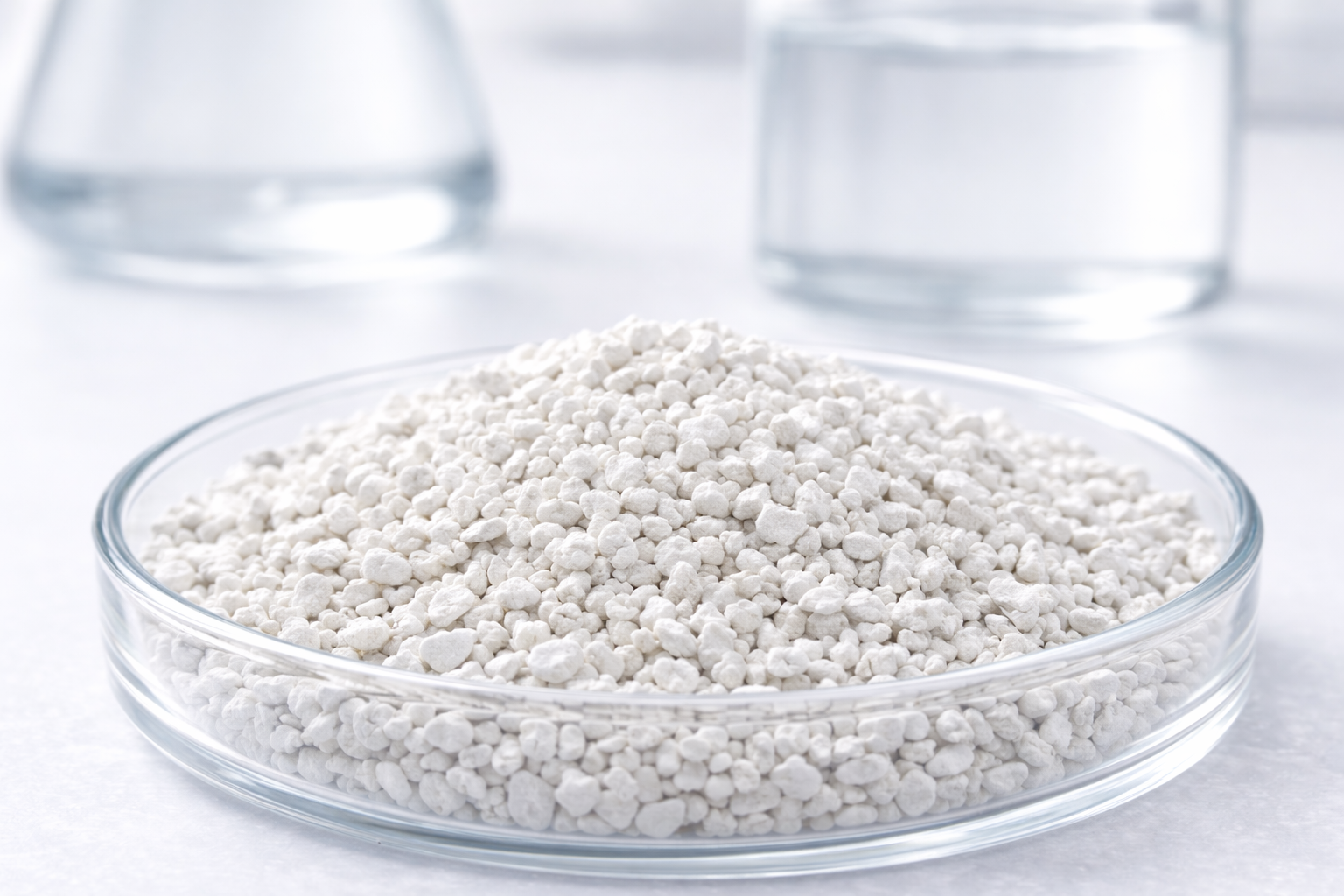
Appropriate particle size distribution and granulation characteristics support homogeneous blending in fertilizer formulations, ensuring uniform micronutrient distribution.
Typical Properties
Defined zinc concentration with controlled impurity levels and optimized particle characteristics to support homogeneous blending, stable storage behavior and reliable micronutrient performance in fertilizer applications.
- Regulatory Sensitivity
- Non-regulated