LUBRICANTS
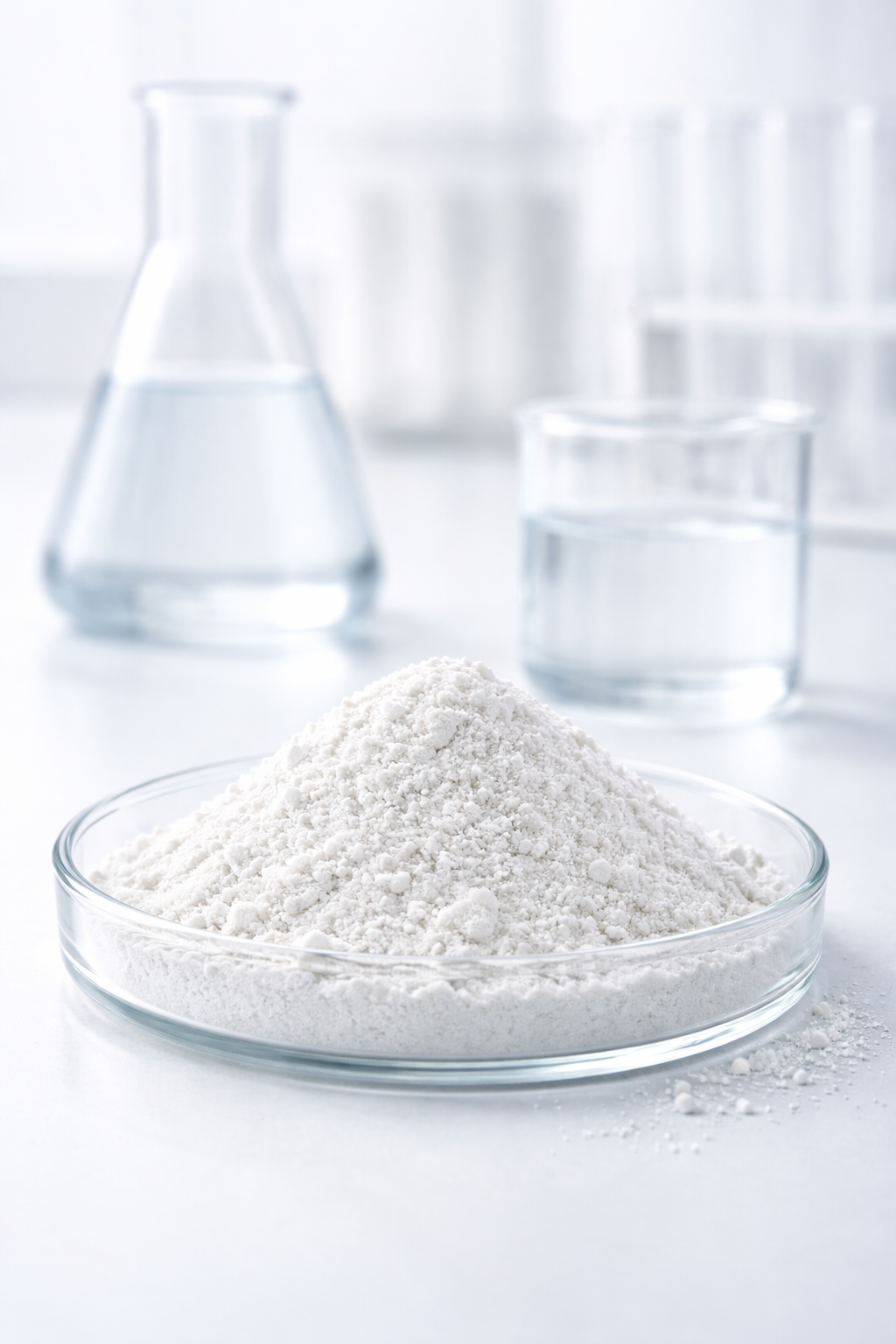
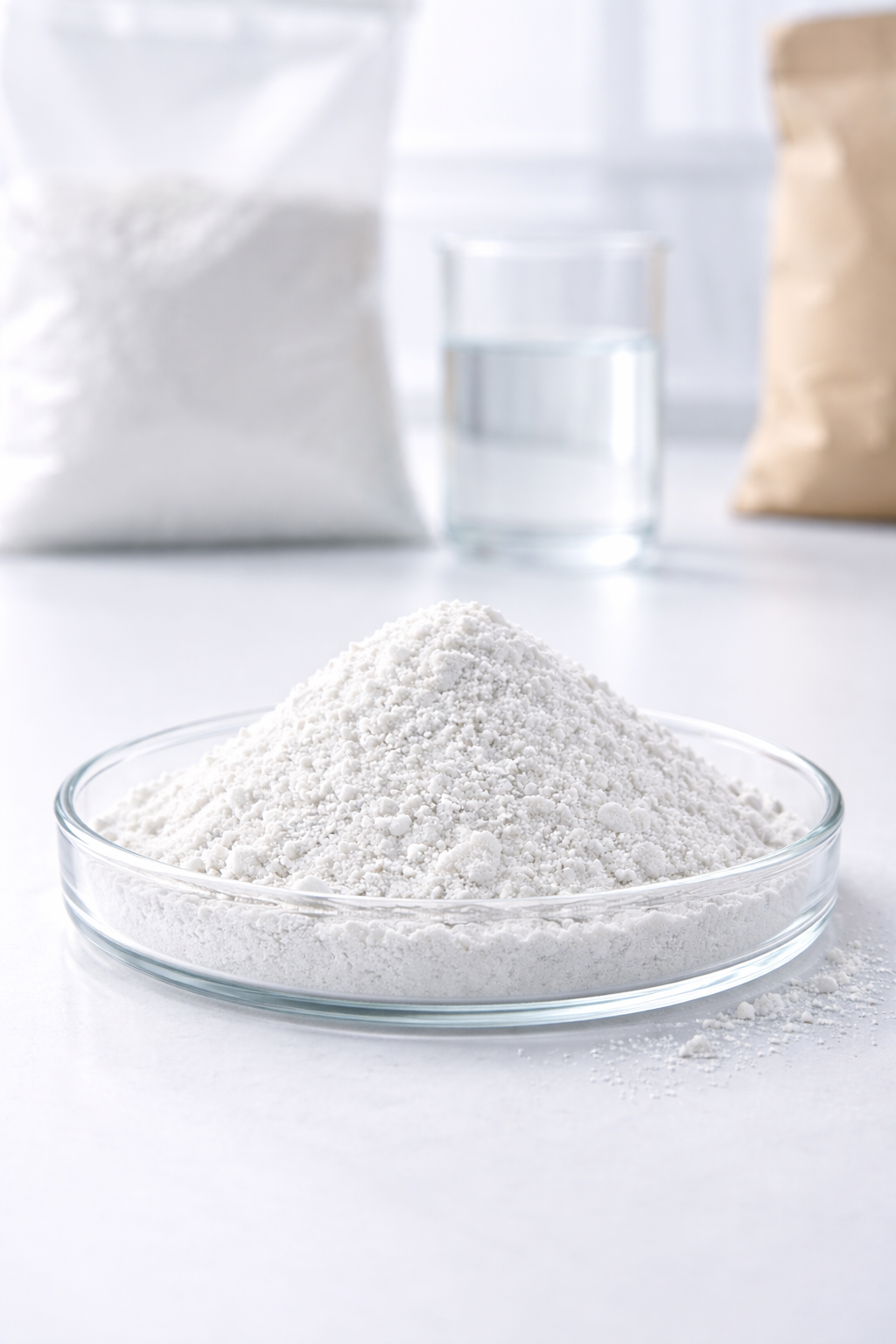
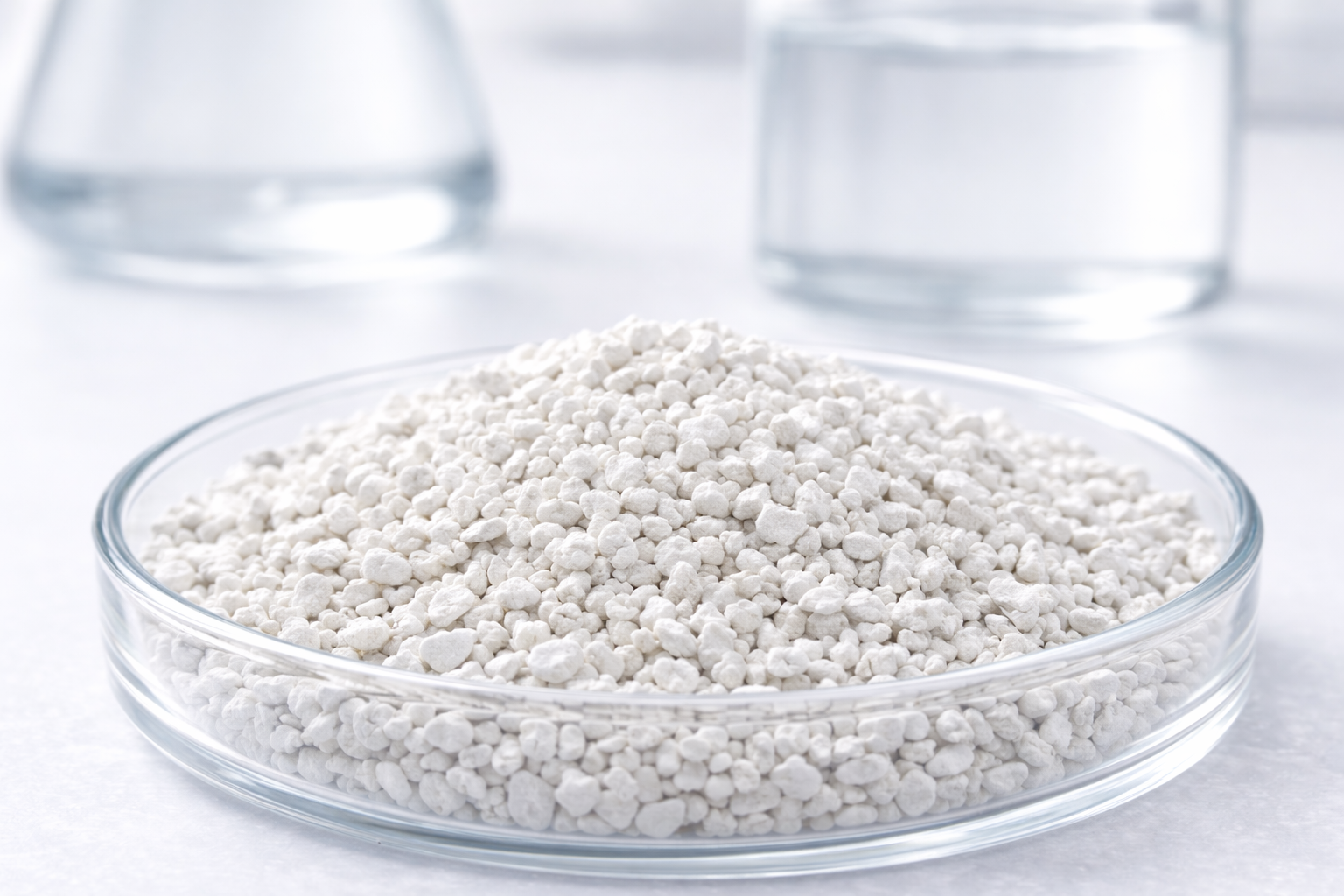
Zinc oxide is used in lubricant and grease formulations as a functional additive, contributing to improved thermal stability, wear protection and chemical resistance in demanding industrial and automotive environments. Its controlled purity and particle characteristics support stable dispersion and consistent performance in grease systems and specialty lubricant formulations.
Key Requirements
Thermal & Oxidative Stability
Lubricant systems operate under elevated temperatures and harsh chemical environments. Zinc oxide contributes to improved thermal stability and resistance to oxidative degradation.
Controlled Reactivity & Compatibility
The material must be chemically compatible with base oils and additive packages, ensuring stable formulation performance without unwanted chemical interactions.
Fine & Consistent Particle Characteristics
Uniform particle size distribution supports stable dispersion in grease and lubricant systems, contributing to consistent anti-wear and protective performance.
Low Impurity Profile
Controlled trace metal levels help prevent catalytic degradation of lubricant systems, supporting long-term formulation stability.
Typical Properties
Zinc Oxide with controlled particle size distribution and low trace metal levels supports stable dispersion in grease and lubricant systems, improved wear protection and enhanced thermal stability, contributing to consistent lubricant performance under demanding operating conditions.
- Regulatory Sensitivity
- Non-regulated